
 es
 en
Rome in 3 days
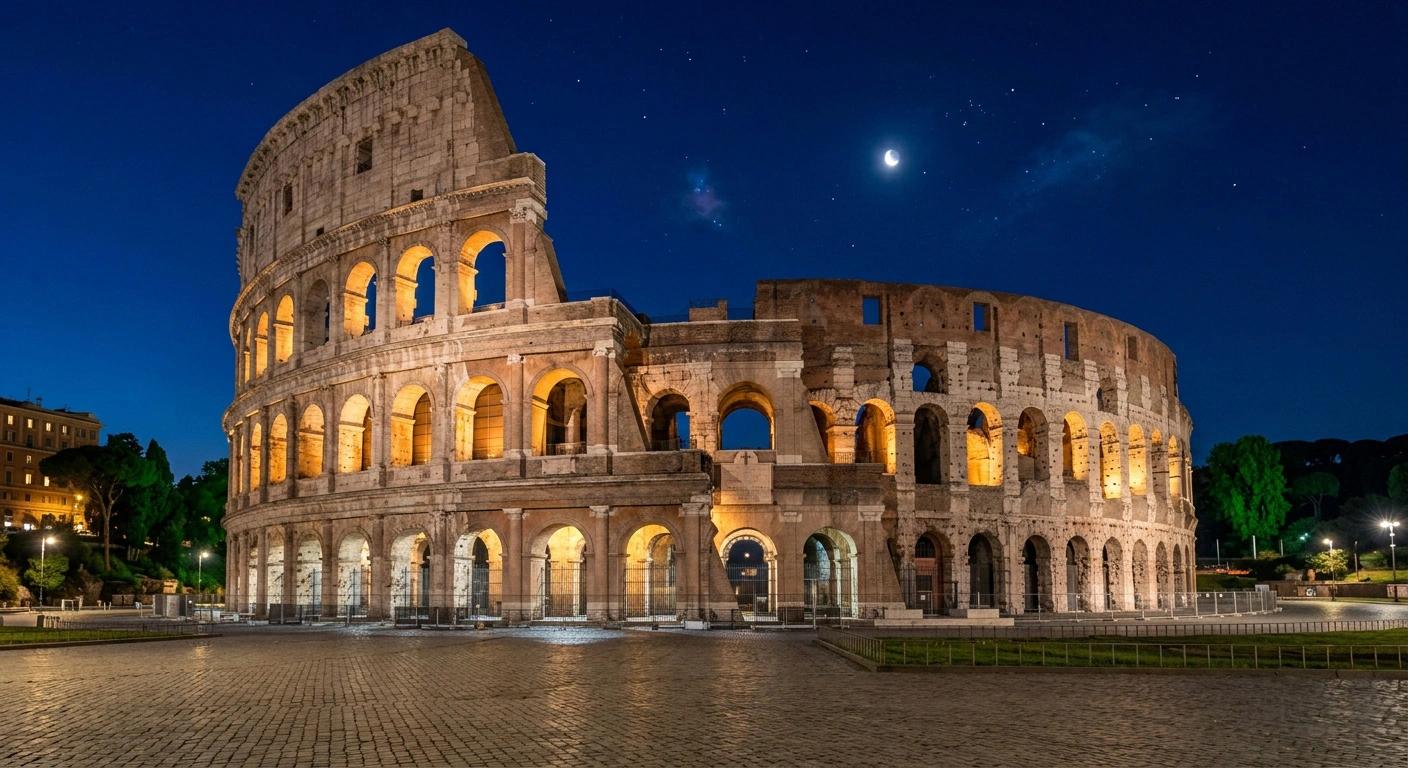
Rome is best explored in layers: imperial Rome around the Colosseum and Forum, the Baroque city of squares and fountains, the Vatican, and the neighbourhoods where you eat properly. This guide spreads them over the days so you waste as little time as possible on transfers.
3 days · Italy ·
How many days will you spend in Rome?
Choose the length of your trip and the itinerary adapts.
With 3 days you can see the main sights and also discover a few less obvious corners. If you're planning a trip and have 3 days to explore Rome, I've put together this itinerary so you can make the most of your time, see the most important places and add a few Civitatis activities that are well worth it. The idea is to combine self-guided walks with guided visits, so you get to know the city without rushing from one place to another the whole trip.
- Day 1
Colosseum, Ancient Rome and Trevi Fountain
A day for imperial Rome and its great icons. Start early: the Colosseum and the Forum have the longest queues in the city and are far more enjoyable first thing. There is a lot of walking on uneven stone, so wear comfortable shoes.
- 9:00
Colosseum: book your ticket on the official website of the Colosseum Archaeological Park. Tickets are named, and you will be asked for ID in the same name. The standard ticket covers the Colosseum, the Roman Forum and the Palatine Hill and is valid for 24 hours. If nothing is available, a guided tour usually has places.
- 11:00
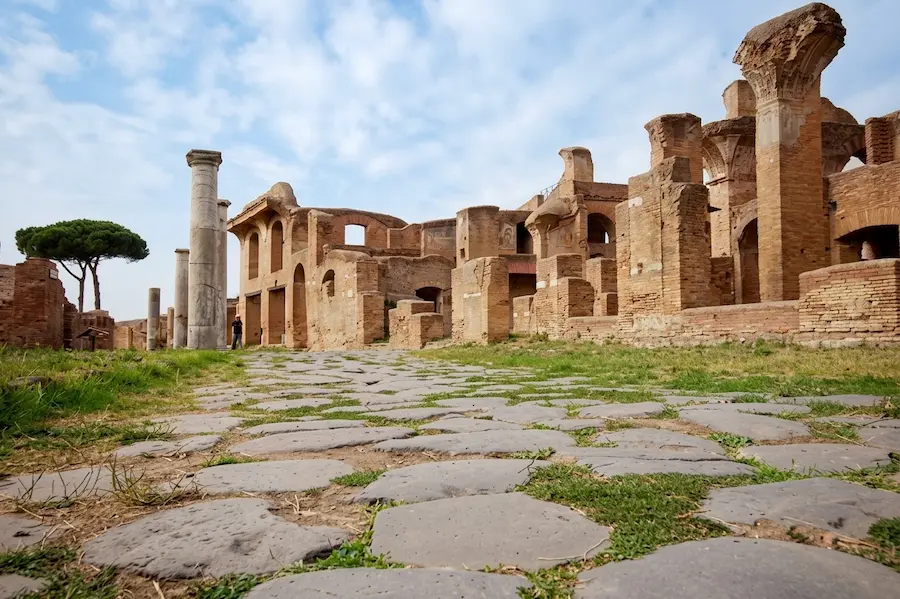
Roman Forum and Palatine Hill: visited with the same ticket. Climb the Palatine for the view over the Forum, then walk down among temples, arches and basilicas. Allow about two hours and bring water: there is little shade.
- 13:30
Lunch: try Roman pasta: carbonara, cacio e pepe or amatriciana. Walk a few streets away from the Colosseum, where tourist menus are expensive. The Monti district, ten minutes on foot, has more authentic trattorias.
- 15:00
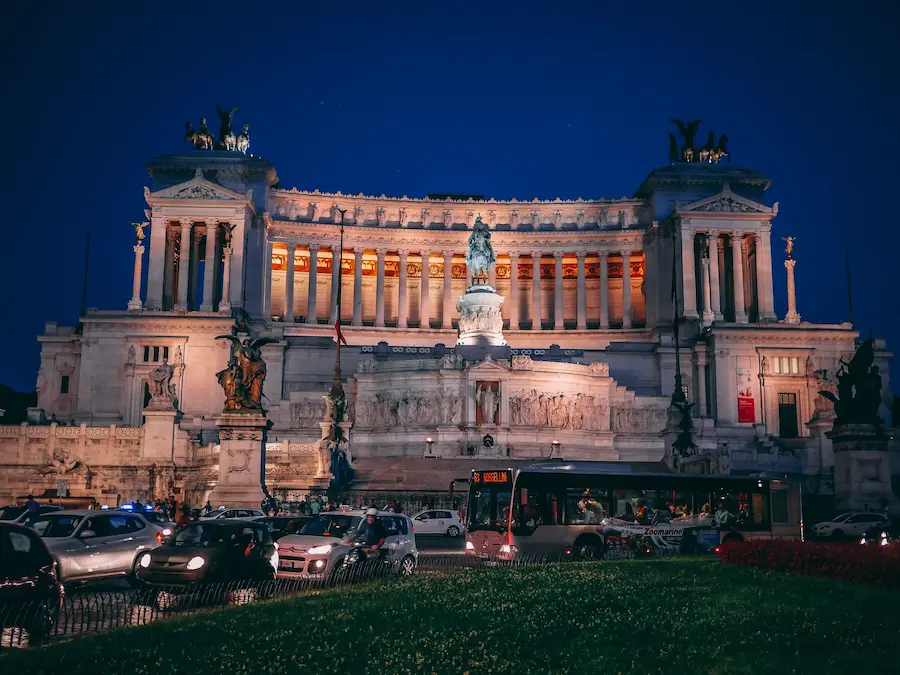
Piazza Venezia and the Victor Emmanuel II Monument: the Vittoriano can be seen for free from outside, and a paid panoramic lift goes up to its terrace. Close by, Piazza del Campidoglio, designed by Michelangelo, has one of the best free views of the Forum.
- 17:00
Piazza di Spagna: climb the Spanish Steps to the Trinità dei Monti church for a view over the rooftops of Rome at sunset. Bear in mind that sitting on the steps is forbidden and fines are issued. The nearby streets, such as Via dei Condotti, are home to the luxury shops.
- 21:00
Trevi Fountain: since February 2026 there is a small entrance fee (around €2; check the current amount on Rome's official website) to get close to the fountain between 9am and 10pm. You can still see it from the square, and after 10pm access is free (check the opening hours here). It is far more atmospheric lit up at night.
Civitatis activities for this day
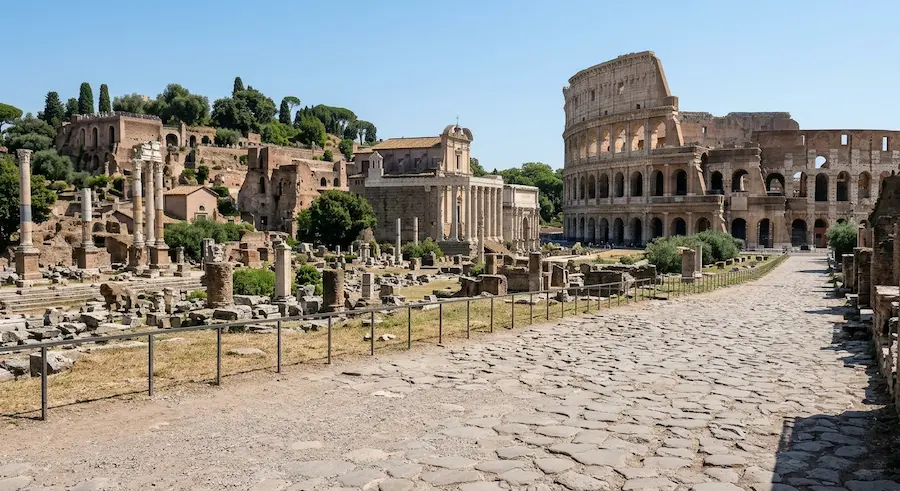
Guided tour of the Colosseum, Forum and Palatine Hill (Opens in a new tab)
Approximate duration: 2.5-3 h
The best way to understand imperial Rome without getting lost among the ruins.
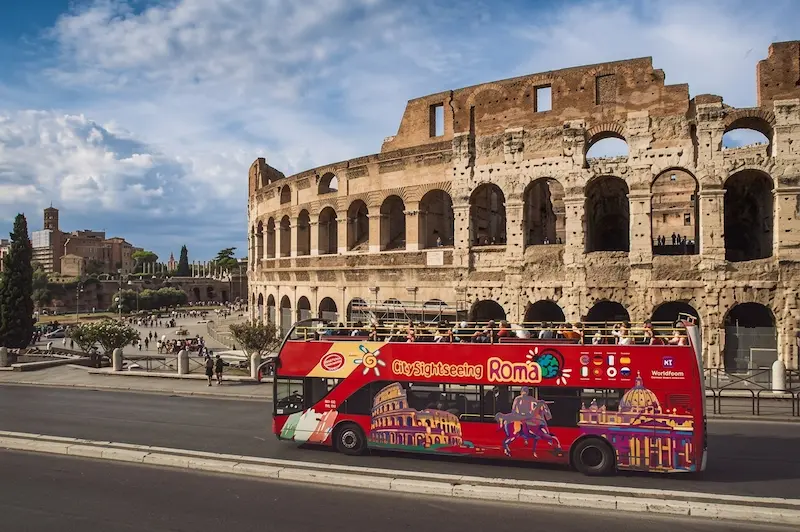
Hop-on hop-off bus tour of Rome (Opens in a new tab)
Approximate duration: 1-3 days
Ideal for seeing the city in comfort and getting between the monuments.
- 9:00
- Day 2
Vatican, Sistine Chapel and Castel Sant'Angelo
The Vatican demands an early start and a booking. The Vatican Museums close on Sundays (except the last Sunday of the month, which is free but extremely crowded) and you need to cover your shoulders and knees to enter St Peter's Basilica.
- 8:00
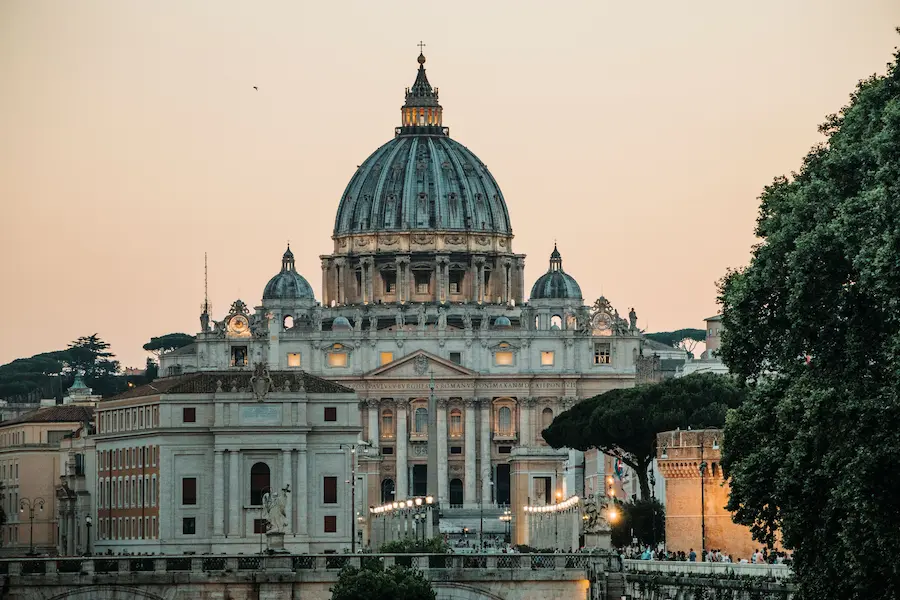
Vatican Museums: book a timed ticket on the official website: it is the best way to avoid queues of several hours. The museums are huge, so prioritise the Gallery of Maps, the Raphael Rooms and the Sistine Chapel, where photography is not allowed and silence is requested.
- 11:00
St Peter's Basilica: entry is free, but there is a security check and a queue. Do not miss Michelangelo's Pietà, in the first chapel on the right. The climb to the dome is paid separately: around 550 steps on foot, with a lift available for the first section.
- 14:00
Lunch in Prati: this district next to the Vatican has cheaper, less touristy places than St Peter's Square. Try pizza al taglio (by the slice) or a supplì, the Roman rice croquette with mozzarella.
- 16:00
Castel Sant'Angelo: it was built as the mausoleum of Emperor Hadrian in the 2nd century and later served as a fortress and refuge for the popes, who connected it to the Vatican by an elevated passage, the Passetto di Borgo. Go up to the terrace for the sunset over Rome.
- 18:30
Ponte Sant'Angelo: this pedestrian bridge is lined with ten angels sculpted in the 17th century by Bernini's circle. It is a good place to see the castle lit up over the Tiber.
- 20:00
Dinner and evening stroll: follow the river to Piazza Navona or the area around Campo de' Fiori for dinner in the centre. Book a table at weekends, as the popular trattorias fill up.
Civitatis activities for this day
- 8:00
- Day 3
Historic Centre, Jewish Quarter, Trastevere and Italian Food
A day without big queues, made for walking. The whole route fits within a radius of about two kilometres and leaves plenty of room to stop in squares and cafés. If you go at the weekend, book dinner in Trastevere in advance.
- 9:00
Pantheon: it is almost 1,900 years old and its unreinforced concrete dome is still the largest of its kind. The oculus lets in light, and rain too. There has been an entrance fee since 2023: buy your ticket online and you will skip the queue.
- 10:00
Piazza Navona: it was built over Domitian's ancient stadium and still has its elongated shape. Do not miss the Fountain of the Four Rivers by Bernini, and avoid ordering at the square's own terraces: they are the most expensive.
- 11:00
Campo de' Fiori: there is a morning market, Monday to Saturday, selling fruit, flowers, spices and pasta. In the middle stands the statue of Giordano Bruno, who was burned in this square in 1600. At night it turns into a drinking spot.
- 12:00
Largo di Torre Argentina: four Republican-era temples were excavated here, beside the place where Julius Caesar is believed to have been assassinated. Today it is also a sanctuary for stray cats run by volunteers.
- 14:00
Rome's Jewish Quarter: this is one of the oldest Jewish quarters in Europe. Visit the Portico of Octavia and try carciofi alla giudia, fried artichokes that are a classic of Roman-Jewish cooking.
- 17:00
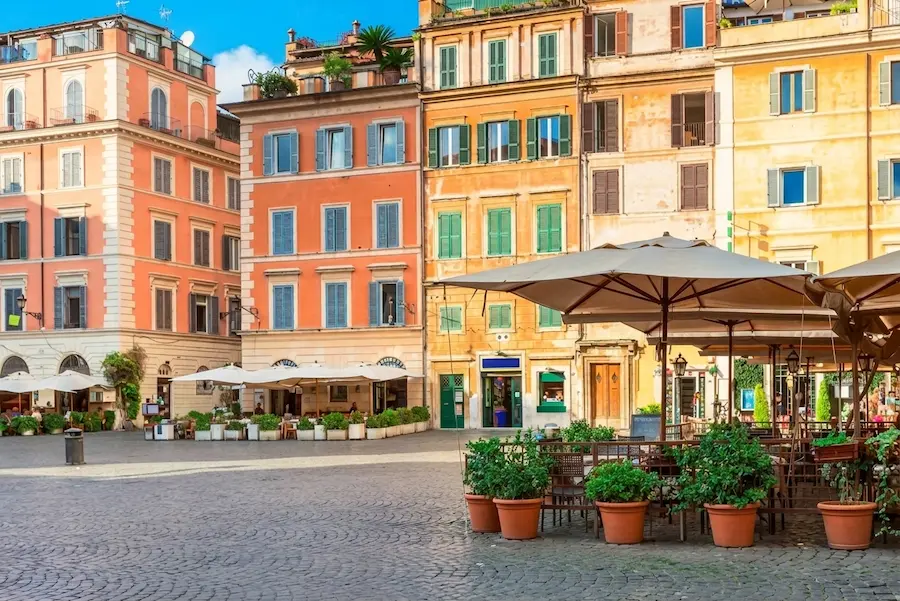
Trastevere: cross the Tiber on the pedestrian Ponte Sisto. The Basilica of Santa Maria in Trastevere has medieval gold-ground mosaics, and the rest of the district is best enjoyed without a fixed route, among cobbled streets, trattorias and small squares.
- 20:00
Dinner in Trastevere: book a table, especially on Fridays and Saturdays. Typical dishes: tonnarelli cacio e pepe, saltimbocca alla romana or coda alla vaccinara (braised oxtail). Move away from the main streets for better prices.
Civitatis activities for this day
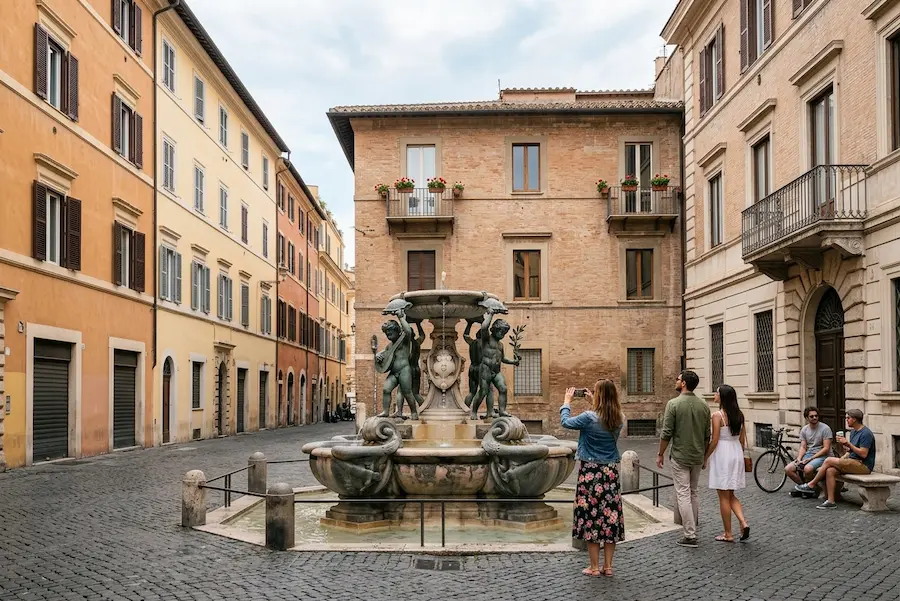
Guided tour of Trastevere and the Jewish Ghetto (Opens in a new tab)
Approximate duration: 2.5-3 h
To learn about the history and hidden corners of these two neighbourhoods.
Food tour of Trastevere (Opens in a new tab)
Approximate duration: 2-3 h
Roman pizza, supplì, artisan gelato and other typical flavours.
- 9:00
- Day 4
Tivoli: Villa d'Este and Hadrian's Villa
A full-day excursion less than an hour from Rome. Hadrian's Villa and Villa d'Este are about six kilometres apart, so decide how you will get around before you set off. Both are UNESCO World Heritage Sites.
- 8:30
Departure for Tivoli: by regional train from Roma Tiburtina the journey takes around an hour; check the timetable, as trains do not run every few minutes. To reach Hadrian's Villa you will need a local bus or a taxi from Tivoli. An organised tour takes care of the transfers and is worth it if you are short of time.
- 10:00
Hadrian's Villa: Emperor Hadrian had it built in the 2nd century. It is a huge complex that recreates places he admired on his travels, such as the Canopus, a long pool surrounded by columns and sculptures. Allow at least two hours and bring a hat and water.
- 13:00
Lunch in Tivoli: try the cuisine of Lazio in the old town. The restaurants in the centre, near Villa d'Este, tend to be more convenient and better than those by the main road.
- 14:30
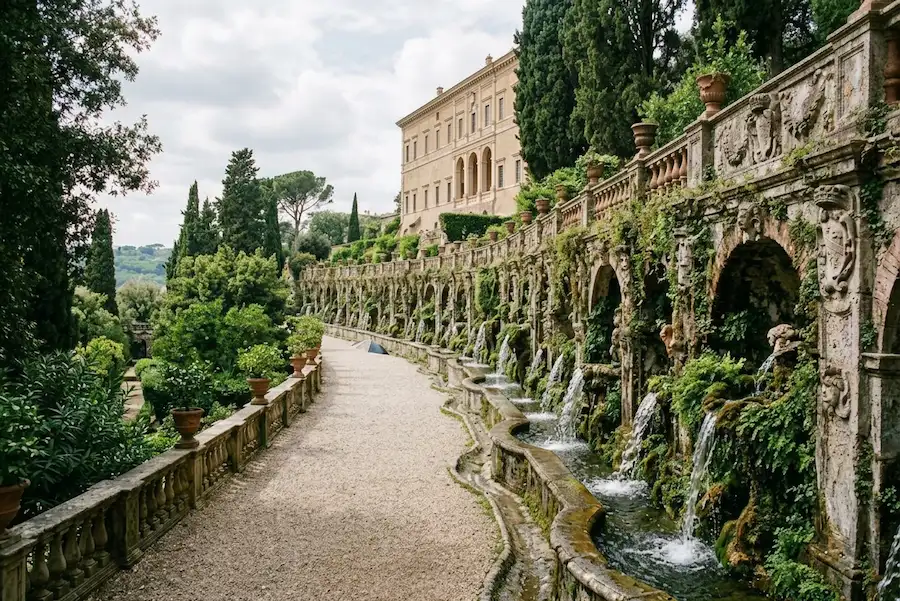
Villa d'Este: its great attraction is the 16th-century Renaissance garden, with hundreds of jets and fountains that run by gravity, without pumps. Do not miss the Fontana dell'Organo and the Avenue of the Hundred Fountains.
- 19:00
Return to Rome: check the time of the last train or bus back before you go into the villa. With a margin, you will be back in Rome in time for a relaxed dinner.
Civitatis activities for this day
- 8:30
- Day 5
Appian Way, Catacombs and Off-the-Beaten-Path Rome
The last day combines underground history with an outdoor walk. The Appian Way lies outside the centre, is a regional park, and on Sundays and public holidays it is closed to traffic, which makes it ideal for walking or cycling.
- 9:00
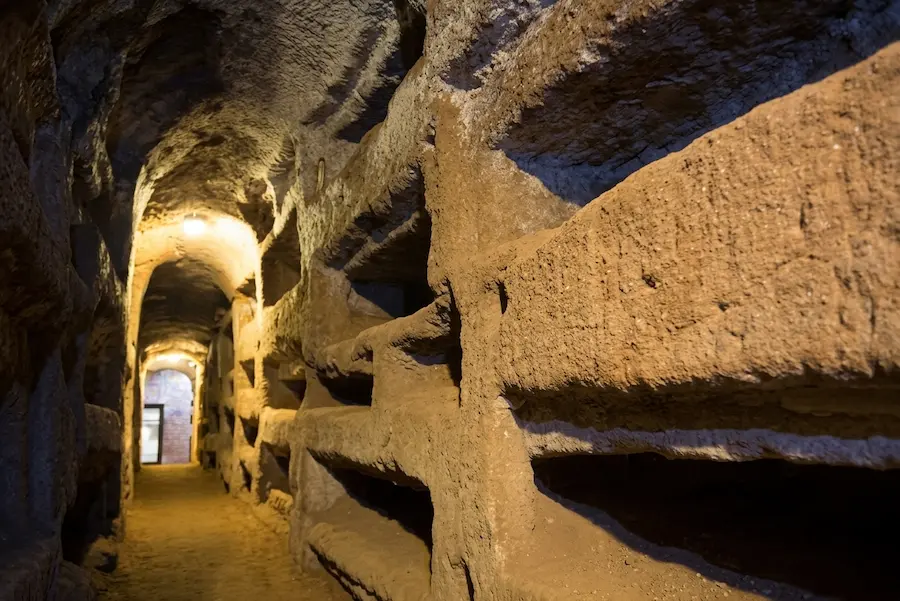
Appian Way Catacombs: visits are always guided and each tour has few places; those of St Callixtus and St Sebastian are the most visited. It is cool inside, around 15 °C, and photography is banned in some galleries. Each catacomb has its own weekly closing day.
- 10:30
Appian Way Regional Park: walk a stretch of the road built in 312 BC, with original paving stones, tombs and remains of aqueducts. Stop at the Tomb of Caecilia Metella. You can rent a bicycle near the visitor centre, but the surface is uneven.
- 14:00
Baths of Caracalla: they opened in AD 216 and could hold thousands of bathers. Today you can walk through their enormous halls and the service tunnels, and in summer they often host open-air performances.
- 16:00
Aventine Hill: in Piazza dei Cavalieri di Malta, look through the keyhole of the Knights of Malta's gate: it frames the dome of St Peter's perfectly. The free Orange Garden has one of the best views of Rome at sunset.
- 19:30
Dinner in Testaccio: this district around the old slaughterhouse is the home of Roman offal cooking (the quinto quarto): coda alla vaccinara, trippa alla romana. If that does not appeal, there is also excellent pizza and pasta. Book if you dine at the weekend.
- 9:00
My recommendation
If I had to choose just three Civitatis activities for this trip, I'd book:
- Guided tour of the Colosseum, Forum and Palatine Hill (Opens in a new tab)
- Guided tour of the Vatican Museums and Sistine Chapel (Opens in a new tab)
- Guided tour of Trastevere and the Jewish Ghetto (Opens in a new tab)
They are experiences that complement exploring on your own really well.
Can you add one more day?
I'd spend it on this: Tivoli: Villa d'Este and Hadrian's Villa. It's well worth it.
Other Civitatis activities you can add to your trip
If you have more time or want to swap a visit, these are other interesting things to do in Rome:
| Activity | Approximate duration |
|---|---|
| Free walking tour of Rome (Opens in a new tab) | 1.5-2 h |
| Castel Sant'Angelo Tour (Opens in a new tab) | 2-3 h |
| Guided tour of the Pantheon (Opens in a new tab) | 45 min |
Activities, times, languages and prices may vary depending on the date. See all options on Civitatis Rome
A few tips for planning your trip to Rome
- Book the Colosseum (on the official website, with your passport or ID: tickets are named) and the Vatican Museums weeks in advance. In high season the most convenient time slots sell out.
- Trevi Fountain: since February 2026 getting close to the fountain costs around €2 between 9am and 10pm. You can see it for free from the square, and after 10pm access is free.
- In churches and at the Vatican your shoulders and knees must be covered. A light scarf in your bag solves it.
- Many museums close one day a week, often Monday. Check the calendar before assigning each visit to a specific day.
- Watch out for pickpockets on the metro (especially line A), at Termini station and in the busiest areas.
- Fill your bottle at the nasoni, the free drinking fountains found all over the city.
- Leave some free time: do not fill every slot with excursions. Wandering around Rome aimlessly is part of the experience.
More itineraries in Italy

Would you like to receive travel inspiration?
Subscribe and get ideas, tips and news.
By subscribing you agree to receive emails from Reverie Destinations and accept the privacy policy. You can unsubscribe at any time.