
 es
 en
Barcelona in 3 days
Barcelona combines Modernista architecture, medieval neighbourhoods, beaches and mountains. This guide spreads the Gaudí essentials, the old town and the day trips to Montserrat and Girona across the days, with the bookings worth making in advance.
3 days · Spain ·
How many days will you spend in Barcelona?
Choose the length of your trip and the itinerary adapts.
With 3 days you can see the main sights and also discover a few less obvious corners. If you're planning a trip and have 3 days to explore Barcelona, I've put together this itinerary so you can make the most of your time, see the most important places and add a few Civitatis activities that are well worth it. The idea is to combine self-guided walks with guided visits, so you get to know the city without rushing from one place to another the whole trip.
- Day 1
Sagrada Família, Sant Pau Hospital and Passeig de Gràcia
A day for the most famous Gaudí and for Modernisme. Book the Sagrada Família in advance and start early.
- 9:00
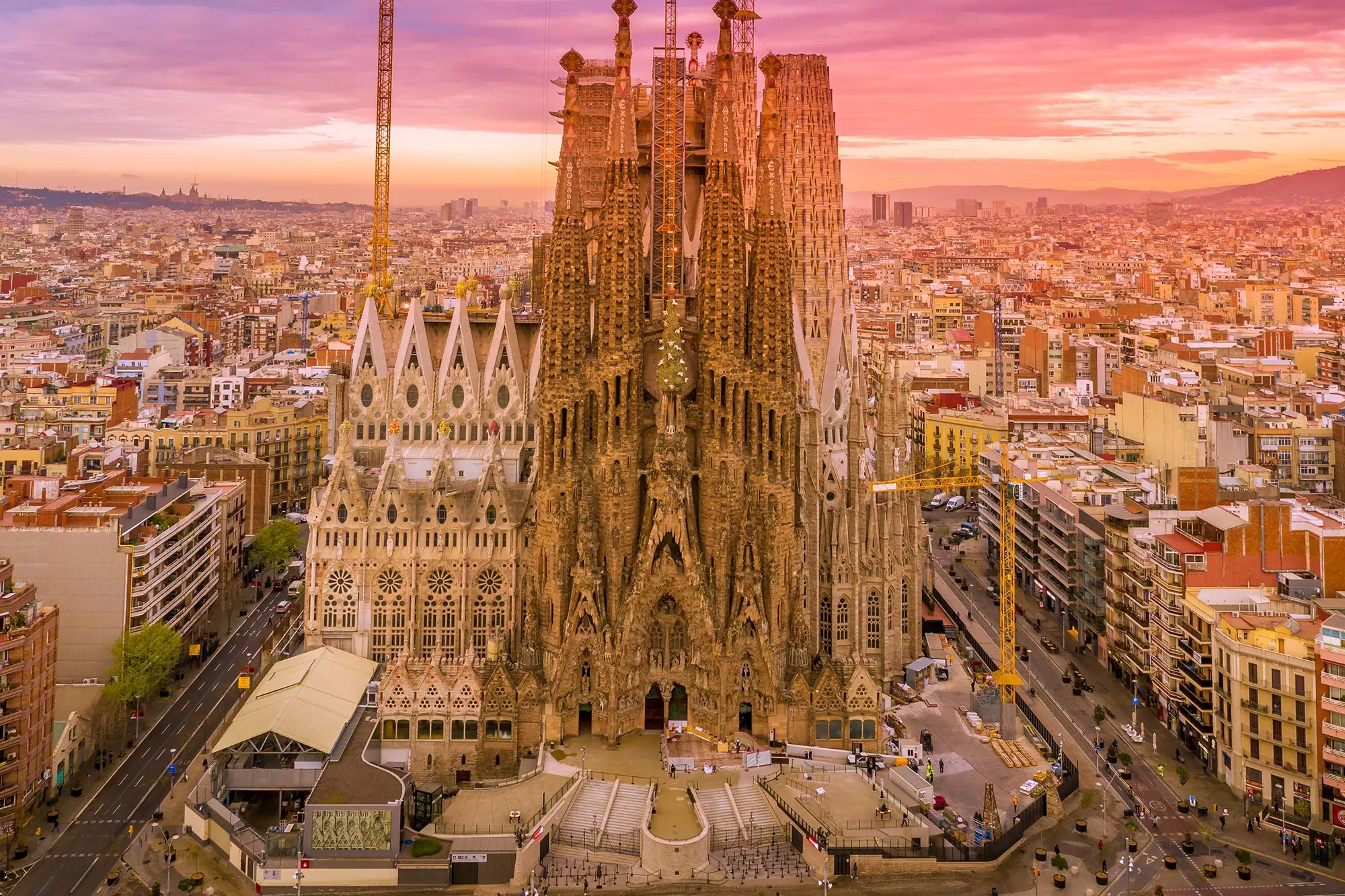
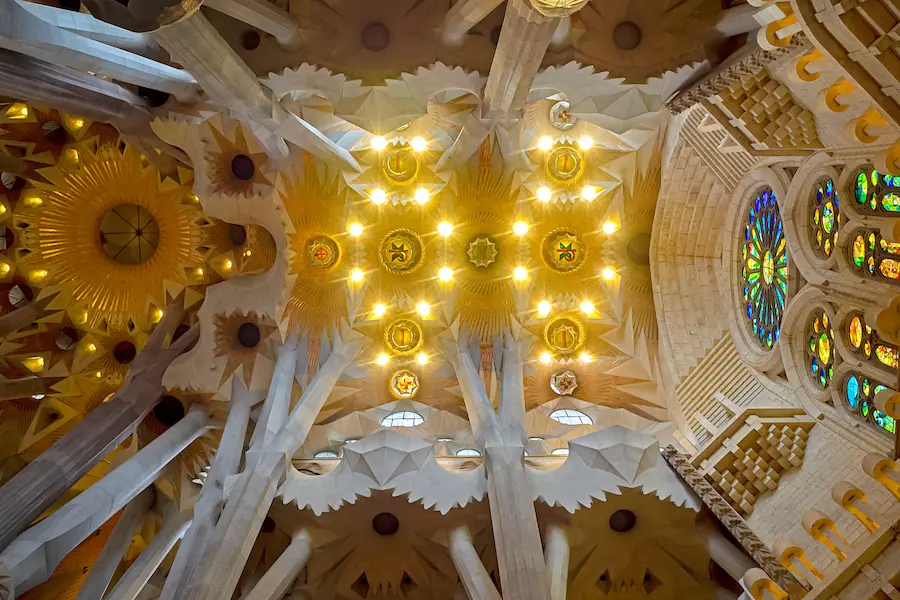
Sagrada Família: construction began in 1882 and is still under way. The most striking part is the interior, with columns that imitate trees and light filtered through stained glass. Tickets are timed and sell out in high season, so book on the official website. The towers, with a lift, are a paid extra.
- 11:30
Hospital de Sant Pau: a Modernista masterpiece by Lluís Domènech i Montaner and a UNESCO World Heritage Site together with the Palau de la Música Catalana. It is a walk from the Sagrada Família along Avinguda de Gaudí and is usually much quieter.
- 13:30
Lunch: around Sant Pau there are neighbourhood bars with a set-price midday menu, cheaper than in the centre. Order pa amb tomàquet (bread with tomato) and a Catalan tapa.
- 15:30
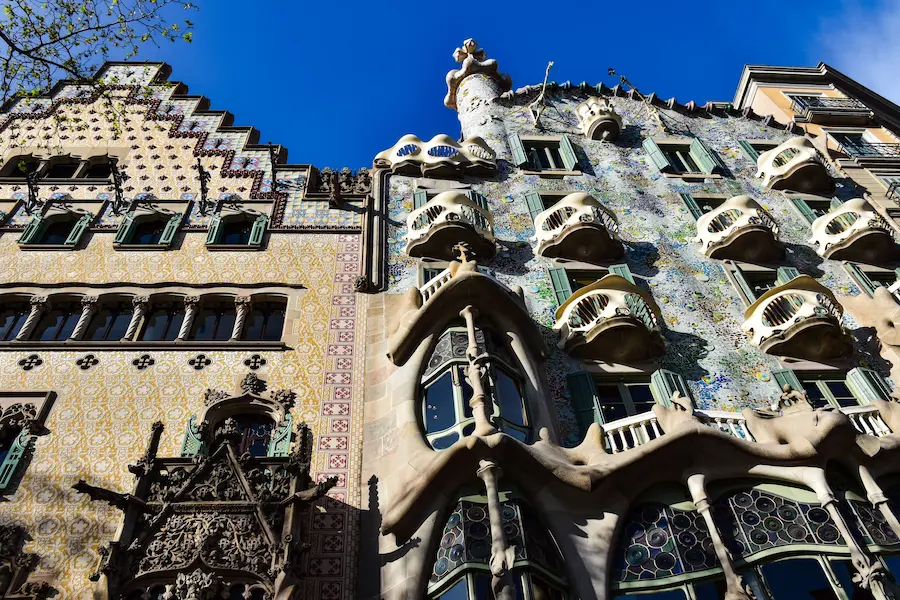
Casa Batlló and Casa Milà: two Gaudí jewels on Passeig de Gràcia. Casa Batlló, nicknamed the house of bones, has a facade of colours and organic shapes. Casa Milà, La Pedrera, is visited above all for its rooftop of sculpted chimneys. If your budget is tight, choose just one and buy a timed ticket.
- 18:30
Passeig de Gràcia: a stroll along the great avenue of the Eixample, with luxury shops and Modernista buildings. On the Block of Discord, between Carrer del Consell de Cent and Carrer d'Aragó, Casa Batlló, Casa Amatller and Casa Lleó Morera compete for attention.
Civitatis activities for this day
- 9:00
- Day 2
Gothic Quarter, El Born and the Waterfront
The medieval old town, almost all on foot. Wear comfortable shoes and look after your belongings: Las Ramblas and the metro are pickpocket hotspots.
- 9:30
Barcelona Cathedral: a Gothic cathedral with a cloister where thirteen geese live, one for each year of the life of Saint Eulalia, the city's patron saint, according to tradition. Check the tourist visiting hours, which can vary.
- 11:00
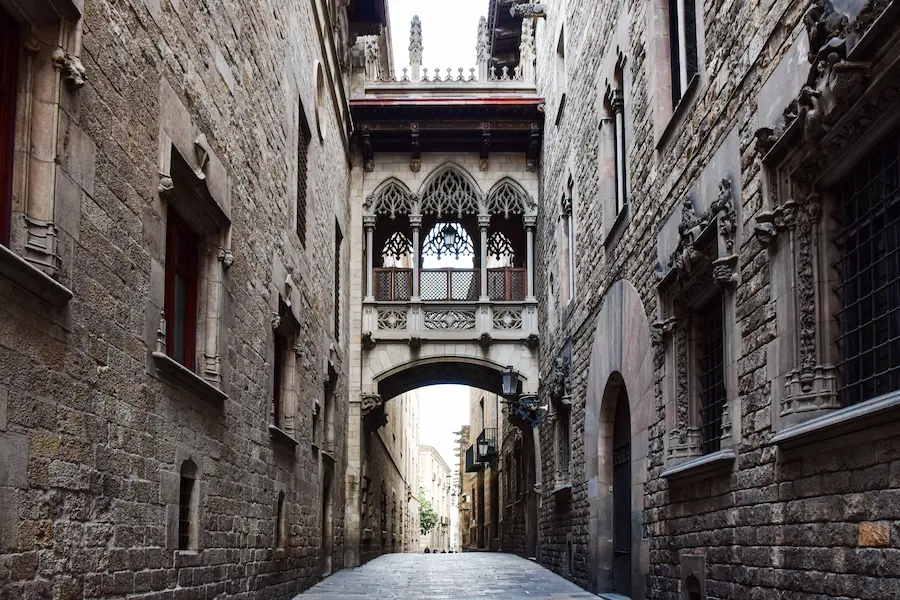
Gothic Quarter: narrow streets, small squares and Roman remains. Pass through Plaça del Rei, Plaça Sant Jaume, home to the Catalan government and the City Hall, and the Pont del Bisbe.
- 12:30
Las Ramblas and La Boqueria Market: Las Ramblas is a very touristy promenade, with plenty of pickpockets. La Boqueria is spectacular, but very crowded and expensive. If you want something more local, the Santa Caterina market, near El Born, is a good alternative.
- 14:00
Lunch in El Born: try Catalan dishes such as escalivada, bacallà a la llauna or crema catalana. El Born is full of small restaurants: book if you go at the weekend.
- 16:00
Santa Maria del Mar Basilica and El Born: this Catalan Gothic church was built in just 55 years, between 1329 and 1383, hence its harmony and simplicity. It is the star of Cathedral of the Sea, the novel by Ildefonso Falcones. Very close by, the Picasso Museum occupies several Gothic palaces.
- 18:30
Port Vell and Barceloneta: stroll around the old port, cross the Rambla de Mar to the Maremagnum and continue to Barceloneta beach. It is a good place to watch the sunset. The beach bars are expensive: it is better to have dinner a few streets back, in the neighbourhood itself.
Civitatis activities for this day
- 9:30
- Day 3
Park Güell, Gràcia and Montjuïc
A day of parks, characterful neighbourhoods and views. The monumental zone of Park Güell requires a timed ticket and is best visited early; the rest of the day is more relaxed.
- 9:00
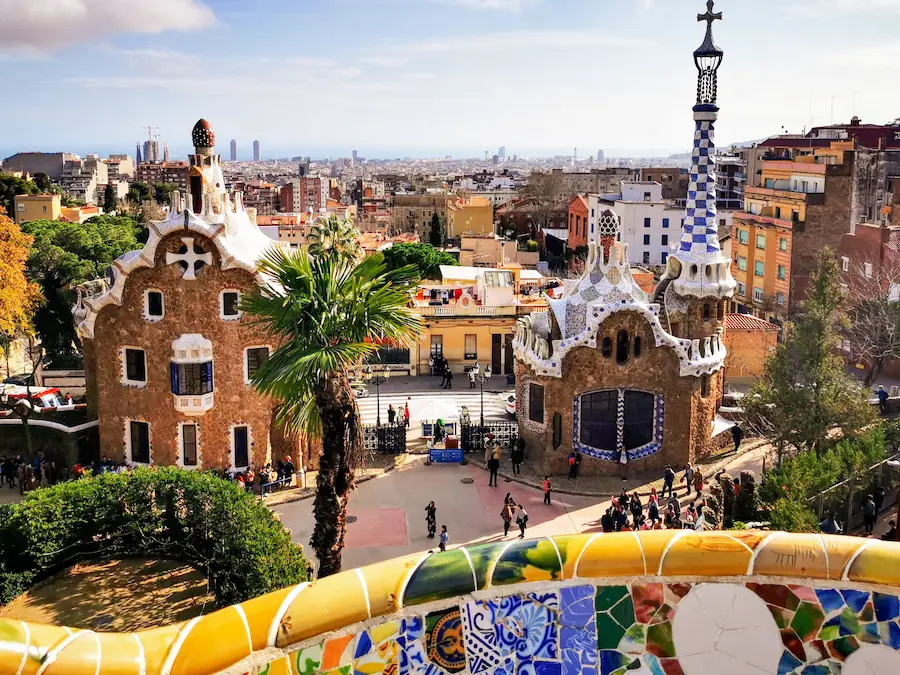
Park Güell: the monumental zone, with the undulating mosaic bench, the square and the colourful dragon, requires a timed ticket: book on the official website. First thing in the morning there are fewer people. Check which areas of the park are free to enter before you go.
- 11:30
Gràcia District: it was an independent municipality until 1897 and keeps a village feel, with squares such as Plaça del Sol and Plaça de la Vila de Gràcia. In August it holds the Festa Major, with streets decorated by the residents.
- 13:00
Lunch in Gràcia: the squares of Gràcia are perfect for a meal on a terrace. Try patatas bravas, croquettes or a tortilla sandwich. A vermouth as an aperitif is a local tradition.
- 15:00
Montjuïc and Montjuïc Castle: go up the hill by cable car or bus. The fortress, of military origin, has views over the port and the city. Around it there are gardens, facilities from the 1992 Olympic Games and several viewpoints.
- 17:00
National Art Museum of Catalonia (MNAC): the museum, in the Palau Nacional, holds one of the best collections of Romanesque art in the world, with mural paintings from churches in the Pyrenees. The palace steps, which are free to access, give an excellent view over the avenue and the city.
- 19:00
Plaça d'Espanya and the Magic Fountain: the Montjuïc Magic Fountain offers free shows of water, light and music at fixed times that change with the season. They are not held every day: check the calendar before you go.
Civitatis activities for this day
- 9:00
- Day 4
Montserrat and the Penedès Wineries
A full-day trip. It can be done on your own by train, but an organised tour with a winery visit takes care of the transport, which is the most complicated part.
- 8:30
Departure for Montserrat: on your own, take the R5 train at Plaça d'Espanya to Monistrol de Montserrat, around an hour, then go up by rack railway or cable car. Organised tours include transport and, in some cases, the winery visit.
- 10:00
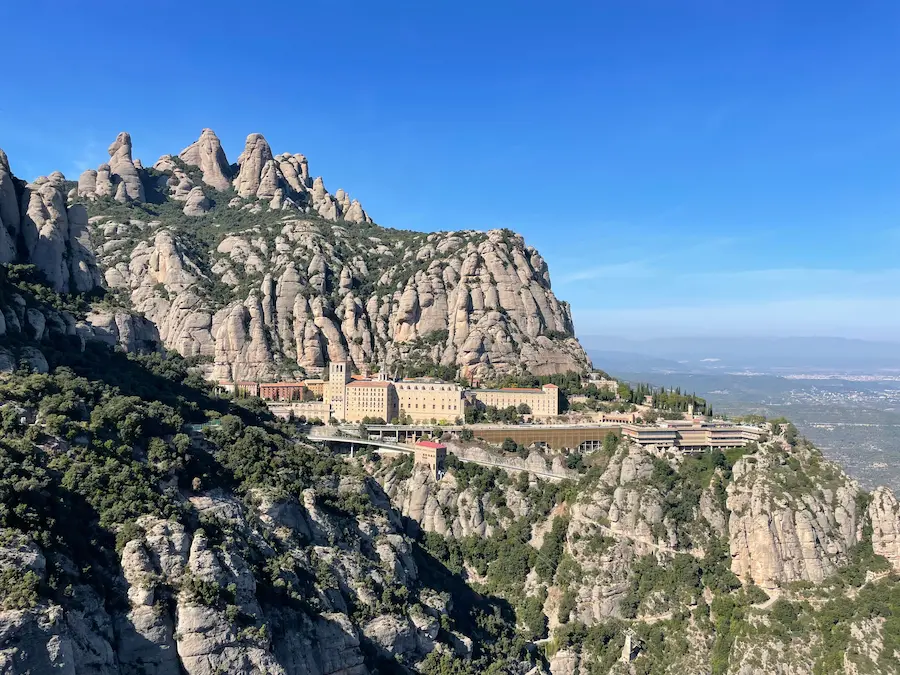
Montserrat Monastery: a Benedictine monastery set among saw-shaped rock formations. In the basilica the Moreneta, the Black Madonna and patron saint of Catalonia, is venerated. The Escolania, one of the oldest boys' choirs in Europe, usually sings at midday: check the times and the periods without performances.
- 12:00
Trails and Viewpoints of Montserrat: the Sant Joan funicular takes you to trails with spectacular views. A classic is the route to Sant Jeroni, the highest point of the massif at 1,236 metres; allow about two hours for the round trip from the funicular.
- 14:00
Lunch at Montserrat: there are restaurants and a self-service canteen beside the monastery. Try the local products, such as honey, mountain cheeses and mató with honey.
- 15:30
Penedès Wineries: this is the great cava region. Sant Sadurní d'Anoia is its capital, and most Spanish cava is made here. Many wineries offer visits with a tasting.
- 18:30
Return to Barcelona: if you went on your own, check the last train from Monistrol. An organised tour goes straight back to the city.
- 8:30
- Day 5
Girona and the Costa Brava
Another full day, this time to the north. Girona is an hour from Barcelona by train, but combining it with the Costa Brava works better on an organised tour or by car; by public transport, choose just Girona or just Tossa.
- 8:30
Departure for Girona: high-speed trains take about 40 minutes and regional trains around an hour and a half. Buy your ticket in advance if you want the fast train.
- 10:00
Jewish Quarter of Girona (El Call): one of the best-preserved medieval Jewish quarters in Europe. Stroll along Carrer de la Força, the old main street, and through narrow stone alleys. The Museum of Jewish History explains its story.
- 11:30
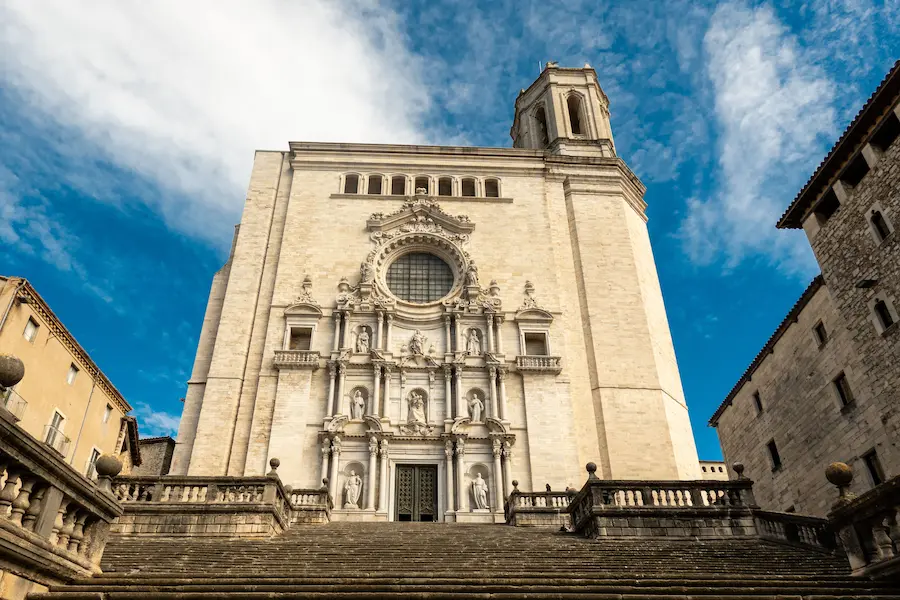
Girona Cathedral and City Walls: climb the Baroque staircase of 90 steps to the cathedral. Then a walk along the walls gives the best views of the city. Part of the series Game of Thrones was filmed here.
- 13:30
Lunch in Girona: try inland Catalan cooking, such as canelons, butifarra with mushrooms or suquet de peix.
- 15:00
Houses on the River Onyar: the colourful houses overlooking the Onyar are Girona's emblem. Cross the Peixateries Velles bridge, built by Gustave Eiffel's company.
- 16:30
Tossa de Mar: a Costa Brava town with a walled Vila Vella of medieval origin, coves and clear water. It is almost an hour from Girona by bus, so it is only worth it on a tour or by car.
- 19:00
Return to Barcelona: the journey back takes around an hour and a half. Check the last bus or train before deciding how long to stay.
- 8:30

My recommendation
If I had to choose just three Civitatis activities for this trip, I'd book:
- Guided tour of the Sagrada Família (Opens in a new tab)
- Free walking tour of the Gothic Quarter (Opens in a new tab)
- Guided tour of Park Güell (Opens in a new tab)
They are experiences that complement exploring on your own really well.
Can you add one more day?
I'd spend it on this: Montserrat and the Penedès Wineries. It's well worth it.
Other Civitatis activities you can add to your trip
If you have more time or want to swap a visit, these are other interesting things to do in Barcelona:
| Activity | Approximate duration |
|---|---|
| Free walking tour of Barcelona (Opens in a new tab) | 2-3 h |
| Free Gaudí walking tour (Opens in a new tab) | 2 h |
| Tickets to Camp Nou (Opens in a new tab) | 2 h |
Activities, times, languages and prices may vary depending on the date. See all options on Civitatis Barcelona
A few tips for planning your trip to Barcelona
- Book the Sagrada Família and Park Güell in advance: both run on timed tickets and sell out in high season.
- Look after your belongings on Las Ramblas, the metro and in very crowded places, which are known pickpocketing areas. Keep your phone and wallet well secured.
- Make the most of the set midday menu, Monday to Friday: it usually costs a lot less than dinner.
- Many museums close on Mondays, such as the Picasso Museum and the MNAC. Check opening days before organising each day.
- If you travel in summer, bring sun cream, a hat and a bottle of water: there is a lot of sun and little shade in Park Güell and Montjuïc.
- Adjust your timings to the local rhythm: lunch is between 2pm and 3:30pm and dinner after 9pm. Many kitchens close between the two.
- If you do the day trips on your own, check the time of the last train or bus back.
- Leave free time: do not fill every slot. Getting lost in Gràcia or El Born without a map is also part of the experience.
Keep exploring Europe

Would you like to receive travel inspiration?
Subscribe and get ideas, tips and news.
By subscribing you agree to receive emails from Reverie Destinations and accept the privacy policy. You can unsubscribe at any time.